Just How To Test Peptides For Pureness: Hplc, Ms & Coa Guide
#hplc #ms #testing #reports Olga Liao The area under the primary peptide peak, contrasted to the overall location of all optimals, establishes the pureness percent. Research-grade peptides typically reveal a dominant height standing for 99% or even more of the overall location, with very little pollutant heights. Precise analytical recognition is necessary to confirm peptide identification, purity, and security. Our solutions include HPLC and mass spectrometry testing to make sure that peptides meet research-grade needs. It does not transform a research study compound right into a medical item, and it does not replace speculative recognition in the scientist's own system. The peptide example is liquified in a suitable solvent and filled right into an autosampler. The injector introduces a precise volume of example into the mobile-phase stream. Constant shot volume matters since straining the column can expand heights, distort pureness estimates, or conceal close-by impurities. There are several steps included, the hplc assay is largely automated and the procedure is therefore extremely reproducible and exact. For research study peptides, molecular weight verification validates the intended series, detects modifications such as oxidation or deamidation, and validates the lack of pollutants that could co-elute during HPLC evaluation. Modern instruments can carry out tandem MS, breaking up the peptide to validate the real amino acid sequence. Peptides are complex organic compounds, and the accuracy of your study depends on the precision of the product you utilize. Unfortunately, the online market for peptides is swamped with unverified resources and inconsistent purity levels. That's why Peptides Laboratory UK executes a two-layer confirmation system, combining independent laboratory testing with third-party validation via Optima Labs-- to assure Pharmaceutical Research clinical integrity.
- Peptide purity refers to the portion of the preferred peptide relative to all detectable components in an example.
- Peptide testing is the logical process used to validate that a research peptide is both pure and appropriately recognized.
- Oxidation changes molecular residential properties and can change retention actions, creating unique chromatographic optimals or associated mass changes.
Exactly How Are Peptides Tested? Hplc, Coa & Pureness Discussed (
The mix of HPLC + MS is the criterion for verifying both top quality and identification. At Emirates Peptides, high quality is not simply an advertising and marketing insurance claim-- it get more info is the structure of whatever we do. Every peptide we supply goes through HPLC purity screening and mass spectrometry verification. We preserve rigorous storage space protocols from synthesis to delivery, making sure that the peptide you obtain matches the specifications on its certificate of analysis.Deamidation Items
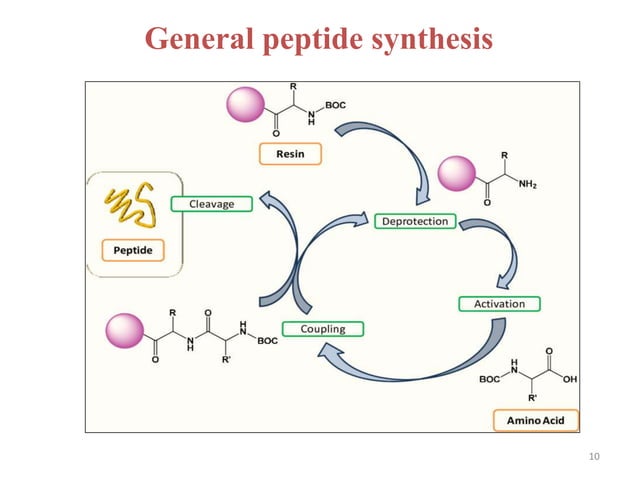
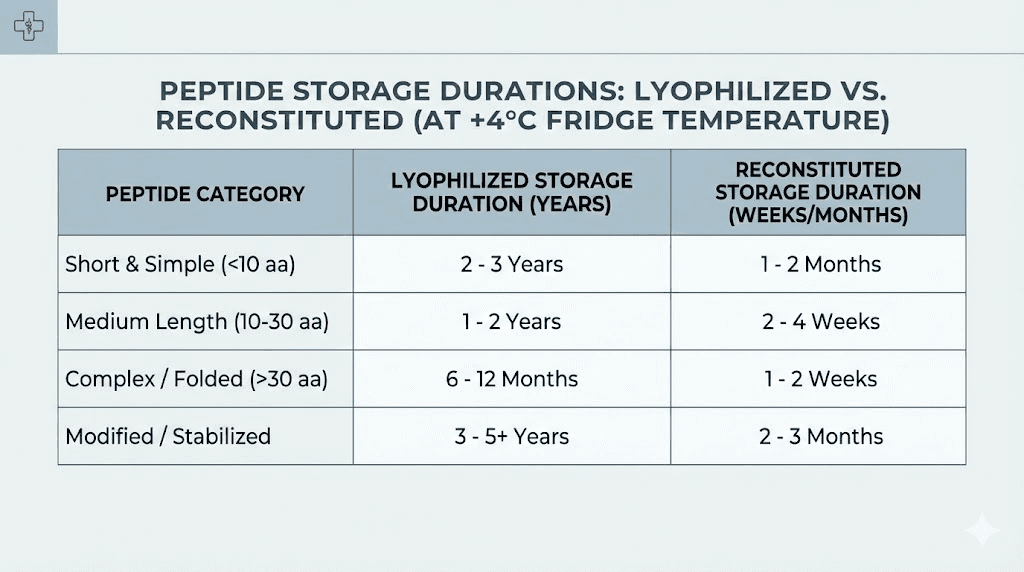
If a peptide is re-tested after storage space stress and anxiety, HPLC can disclose whether new pollutant tops have appeared or whether the major optimal location has declined. This attaches directly with taking care of topics such as peptide storage space and peptide reconstitution. Impurities in peptide samples can come from insufficient synthesis, side responses, or destruction during handling and storage. These pollutants-- which may include abbreviated sequences, removal peptides, or oxidation items-- can disrupt speculative results in uncertain means. A peptide example listed at 95% pureness has 5% unknown substances that might trigger false favorable outcomes, mask true organic results, or present unwanted variables into thoroughly developed experiments. High-performance fluid chromatography (HPLC) screening is an analytical chemistry treatment to separate, identify, and evaluate medications and their metabolites within various solutions, vehicles, and biological matrices. NorthEast BioLab constantly exceeds assumptions on bioanalytical assay growth, validation, and sample evaluation. At Peak Peptide Supply, every peptide is verified with HPLC and MS testing, giving scientists self-confidence in their work and trusted results each time. Research-grade peptides must have pureness degrees of 98% or higher, with costs distributors offering 99.0% to 99.7% pureness. Greater purity guarantees better research study results and minimizes disturbance from pollutants. Yes, research study peptides are legal in the UK when offered and bought strictly for lab research study objectives. When you choose Emirates Peptides, you pick confidence in your research study materials. HPLC separates the parts of a peptide example based on their chemical homes as they pass through a specialized column under high stress. A detector gauges each component as it departures the column, generating a chromatogram-- a visual representation of the sample's composition.Chosen Research Study References
Just how much does peptide HPLC screening expense?
The expense of peptide analysis service differs considerably based upon which strategies your regulatory package calls for: HPLC-UV Evaluation: $& #x 24; 300 & #x 2013; & #x 24; 800 per sample (common pureness evaluation) LC-MS (Liquid Chromatography-Mass Spectrometry): $& #x 24; 600 & #x 2013; & #x 24; 1,500 per example (molecular weight verification).